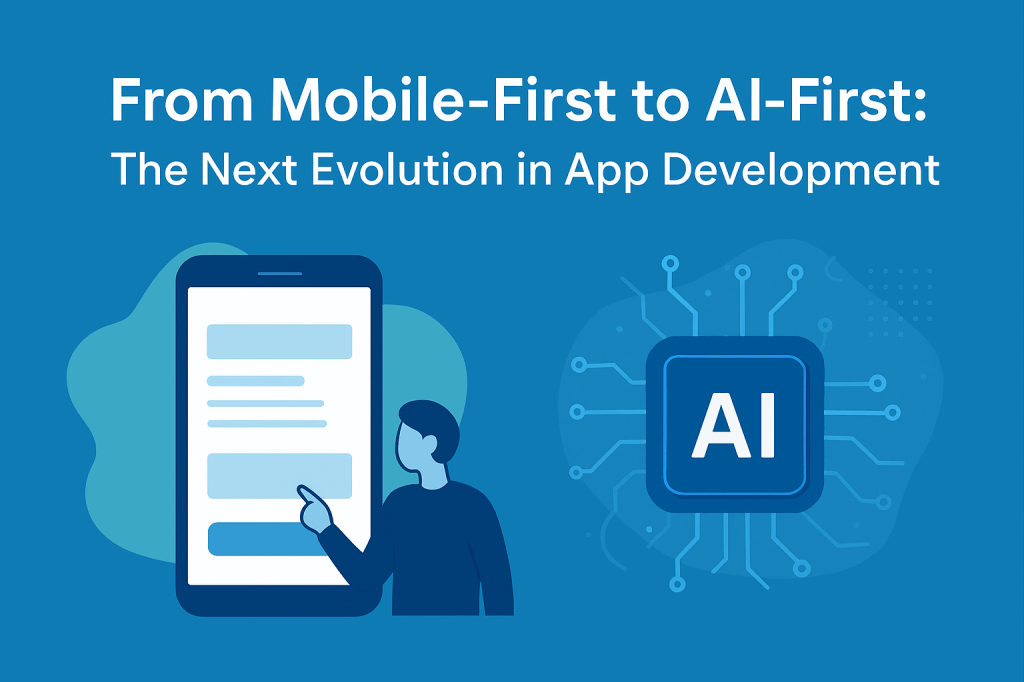
Over the past decade, the mobile revolution has completely reshaped the digital world. The introduction of the mobile-first strategy encouraged developers and businesses to prioritize mobile experiences before thinking about desktops. This philosophy transformed how apps were built, designed, and deployed, making mobile devices the center of digital engagement. From shopping and banking to social networking and entertainment, smartphones became the gateway to everyday life.
In the mobile-first era, developers learned to optimize for limited screen sizes, touch interactions, and fast loading times. This approach was not just a design shift but a cultural one. Businesses that adopted mobile-first thinking were able to reach wider audiences and build stronger connections with users. As a result, companies that specialized in mobile app solutions, such as top mobile app development companies, became essential partners for digital growth. Their expertise in creating smooth, intuitive mobile experiences helped shape how people interacted with technology.
However, technology never stands still. As mobile devices became smarter and users began expecting more personalized and predictive experiences, a new paradigm emerged — the AI-first approach. Unlike mobile-first, where design and performance took priority, AI-first focuses on intelligence, adaptability, and user understanding. It represents a shift from simply creating interfaces to developing systems that can think, learn, and respond intelligently to users’ needs.
AI-first development means apps are not just tools but intelligent companions capable of reasoning, predicting behavior, and providing meaningful insights. These applications use data-driven algorithms, machine learning, and natural language processing to create experiences that feel uniquely personal to every user. This transformation is being led by innovators in artificial intelligence. Many popular AI companies are working on solutions that enable app developers to integrate smart features such as real-time recommendations, conversational interfaces, and automation into their products.
The impact of this shift is already visible across industries. From healthcare apps that predict patient risks to e-commerce platforms that personalize product feeds, the AI-first philosophy is driving a new generation of smart, efficient, and human-like digital products. It’s a step beyond the mobile-first era — one where intelligence forms the foundation of development. For those interested in understanding this transformation in depth, AI-first app development is an excellent resource that explains how this approach is setting new standards in digital innovation.
In this blog, we’ll explore how app development has evolved from being mobile-first to becoming AI-first, the key principles that define this new era, the technologies behind it, and what this means for developers and businesses moving forward.
The Next Evolution in App Development
a) The Mobile-First Era: Lessons Learned
The mobile-first era was one of the most transformative periods in the history of digital innovation. Before this concept took hold, most software and websites were built primarily for desktop users. As smartphones grew in popularity, developers realized that people were consuming digital content on smaller screens, in short bursts, and on the move. This behavioral shift called for a complete rethinking of design principles, user interfaces, and performance optimization.
Mobile-first design meant that every aspect of an application — from layout and navigation to functionality — had to be built with mobile devices as the top priority. Developers started using lightweight frameworks, adaptive grids, and responsive components to ensure smooth performance on various screen sizes. Key innovations like responsive web design, cross-platform app frameworks, and cloud synchronization became standard features.
This era taught the development community the importance of speed, accessibility, and intuitive design. Users expected apps to load quickly, run efficiently, and be easy to navigate with touch gestures instead of a mouse or keyboard. Businesses that embraced mobile-first principles experienced exponential growth, as they could reach customers anytime and anywhere.
However, while the mobile-first era revolutionized usability, it also revealed its limitations. Most mobile applications were static in nature, meaning they responded to user inputs but lacked intelligence. They couldn’t anticipate user needs or provide personalized experiences. As consumers began expecting more relevance and predictive interaction, developers started exploring ways to make apps smarter — paving the path toward the AI-first model.
b) The Rise of the AI-First Paradigm
The AI-first paradigm marks a shift from apps that simply serve information to apps that think, adapt, and evolve. Instead of being programmed with fixed rules, AI-first applications rely on data, algorithms, and machine learning models to understand users and make intelligent decisions. This approach enables apps to deliver highly personalized, context-aware experiences that grow smarter over time.
In an AI-first world, the app itself becomes a learning system. It analyzes user interactions, behavioral patterns, and contextual data to predict what the user might want next. For example, a fitness app could create a custom workout plan based on progress history, while a news app could curate stories that match the user’s reading habits. This creates an experience that feels natural, dynamic, and human-like.
Businesses have quickly recognized the value of integrating artificial intelligence into mobile solutions. Today, AI is not just a feature but a foundation. From chatbots and virtual assistants to recommendation engines and predictive analytics, AI capabilities are redefining what an app can do. To learn how this transformation is taking shape, explore AI in mobile apps and discover how intelligent features are enhancing engagement and user satisfaction.
Moreover, organizations are finding ways to modernize their legacy systems by adding AI capabilities to existing software. Instead of starting over, they are implementing data-driven modules, automation tools, and intelligent chat systems within their current apps. You can learn more about this practical approach in AI integration in existing mobile apps.
c) Core Pillars of AI-First App Development
AI-first app development is built on several key principles that define how modern intelligent applications function. These pillars ensure that AI is not just an add-on, but an integral part of the product’s DNA.
- Personalization: AI-first apps deliver user experiences that are unique to each individual. They analyze user behavior, preferences, and contextual data to present tailored recommendations, notifications, and services. For instance, streaming platforms use AI to recommend shows based on viewing habits, while e-commerce apps suggest products aligned with previous purchases.
- Automation: Through automation, AI-first applications minimize manual input and streamline repetitive processes. Whether it’s scheduling appointments, categorizing data, or providing real-time insights, automation enhances productivity and convenience for users.
- Natural Interaction: One of the most visible benefits of AI is the ability to communicate naturally. Using natural language processing (NLP) and computer vision, apps can understand voice commands, analyze text, or even recognize visual elements. This makes user interaction more intuitive, reducing the need for complex navigation.
- Continuous Learning: Unlike traditional apps that remain static after deployment, AI-first apps continuously evolve. They use machine learning models to analyze new data and refine their algorithms. This continuous improvement ensures that the app becomes smarter and more relevant with every use.
These pillars extend beyond mobile platforms into web environments as well. Developers who want to explore the next stage of this evolution can read more about AI-first in web development to see how similar principles are reshaping the web experience.
d) The Tech Stack Behind AI-First Apps
To build AI-first applications, developers rely on a sophisticated combination of technologies that bring intelligence to digital systems. This tech stack integrates machine learning frameworks, data processing pipelines, and advanced APIs to make apps capable of reasoning and decision-making.
- Large Language Models (LLMs): These models, such as GPT-based systems, allow apps to understand and generate human-like language. They are used in chatbots, virtual assistants, and content generation tools to create conversational experiences.
- Machine Learning Pipelines: ML pipelines process vast amounts of data to train algorithms that can make accurate predictions. They are used in recommendation systems, fraud detection, and analytics dashboards.
- Edge AI: This technology enables data processing directly on the device rather than on a remote server. It improves speed, privacy, and reliability — essential for apps that require real-time decision-making like self-driving vehicles or health monitors.
- Cloud AI Services: Platforms like Google Cloud AI, AWS AI, and Microsoft Azure provide ready-made tools and APIs for developers. These services simplify the integration of complex AI capabilities such as speech recognition, image processing, and predictive analytics.
By combining these technologies, developers can create intelligent, responsive, and scalable applications that redefine user engagement. The result is a seamless blend of traditional software engineering and modern AI innovation.
e) Challenges and Considerations
Despite its promise, AI-first app development introduces several challenges that require careful consideration. These challenges are not just technical but also ethical, regulatory, and strategic.
- Data Privacy and Security: Since AI systems rely heavily on user data, protecting that information is a top priority. Developers must ensure compliance with data protection laws such as GDPR and maintain transparency about how user data is used.
- Bias and Fairness: AI systems can unintentionally reflect biases found in training data. Developers must audit datasets, test models for fairness, and design algorithms that ensure equal outcomes across demographics.
- Skill Gap: Building AI-first applications requires multidisciplinary expertise in software engineering, data science, and AI ethics. This skill gap can be a barrier for traditional development teams transitioning into the AI domain.
- Ethical Implications: AI applications can influence major decisions, from hiring to healthcare. It is crucial to design systems that prioritize fairness, accountability, and user consent to build trust with end-users.
Addressing these issues early in the development cycle helps organizations build responsible and reliable AI systems that users can trust.
f) Opportunities for Developers and Businesses
The rise of the AI-first paradigm has unlocked endless possibilities for innovation and growth. Both developers and organizations can gain significant advantages by embracing this transformation.
- For Developers: Professionals with AI expertise are in high demand. Developers who understand data modeling, natural language processing, and machine learning can build smarter, more adaptive applications that stand out in a competitive market.
- For Businesses: Organizations adopting AI-first strategies experience higher efficiency, improved decision-making, and better customer engagement. AI-driven insights allow businesses to predict trends, personalize marketing, and optimize resource allocation.
- Emerging App Categories: AI-first thinking has given rise to new types of applications such as autonomous virtual assistants, predictive healthcare tools, and creative content generators. These innovations demonstrate how AI is redefining user experiences across industries.
In short, the AI-first movement represents both a technological and economic opportunity. Companies that invest in AI-first development today are positioning themselves for leadership in the digital economy of tomorrow.
Conclusion
The transformation from mobile-first to AI-first marks one of the most significant turning points in the evolution of digital technology. While the mobile-first era emphasized accessibility, design responsiveness, and user convenience, the AI-first era is redefining how technology interacts with humans. The focus has shifted from building visually appealing and efficient interfaces to creating applications that can think, learn, and adapt dynamically to user needs.
AI-first development is not simply about integrating a few smart features into an app. It represents a completely new mindset — one that treats intelligence as the foundation of the digital experience. In this approach, every app interaction becomes an opportunity for learning and improvement. Over time, this leads to products that not only meet user expectations but anticipate them. The shift is from reactive systems to proactive and predictive ones that continuously enhance value.
Businesses are already seeing the benefits of embracing AI-first strategies. Companies that use artificial intelligence within their products or operations gain deeper insights into customer behavior, automate repetitive tasks, and make better data-driven decisions. In industries such as healthcare, AI-powered apps are helping detect early signs of diseases, while in finance, they are identifying fraudulent activity in real time. For e-commerce, personalization algorithms have improved conversion rates and customer satisfaction dramatically. These use cases highlight the impact of embedding intelligence directly into applications.
However, the move to AI-first development also requires a commitment to ethical responsibility. Developers and organizations must ensure that their AI systems are transparent, secure, and unbiased. Users must be able to trust the applications they use, knowing that their data is handled safely and fairly. Building trust through responsible AI practices will be one of the defining challenges of this new era.
For developers, the rise of AI-first development represents a chance to learn new skills and stay ahead in a rapidly evolving industry. Understanding the fundamentals of machine learning, natural language processing, and data analytics will be essential for creating intelligent solutions. Fortunately, several platforms and tools are making this process easier. For example, the best AI app builders provide simplified environments for building smart apps without needing deep technical expertise. These platforms can accelerate development while allowing developers to focus on creativity and innovation.
For entrepreneurs or organizations looking for inspiration, exploring AI app ideas can provide a great starting point. These ideas showcase how OpenAI technologies and other intelligent frameworks can be used to build applications that transform industries, from personalized education platforms to AI-driven productivity tools.
In the broader perspective, the transition from mobile-first to AI-first is more than a technological upgrade; it’s a philosophical evolution in how we approach problem-solving. The mobile-first mindset focused on making technology more accessible, while the AI-first mindset focuses on making technology more intelligent. This change empowers developers to design experiences that feel more human, responsive, and emotionally intuitive.
Looking ahead, AI will become a natural part of every digital product, much like how mobile optimization became a standard in the past decade. As AI models become more advanced and accessible, the boundary between human creativity and machine intelligence will continue to blur. Developers will collaborate with AI systems to design, code, and test software, leading to faster innovation and more meaningful user experiences.
In conclusion, we are entering an era where the most successful applications will be those that combine the best of both worlds — the accessibility and design excellence of mobile-first with the intelligence and adaptability of AI-first. The businesses and developers who recognize this shift early will lead the next wave of innovation, shaping a future where technology doesn’t just serve people but truly understands them.
The journey from mobile-first to AI-first is not just a step forward in app development; it is the dawn of a smarter digital age. The future belongs to those who build with intelligence at the core.
 Mobi Info
Leave a comment