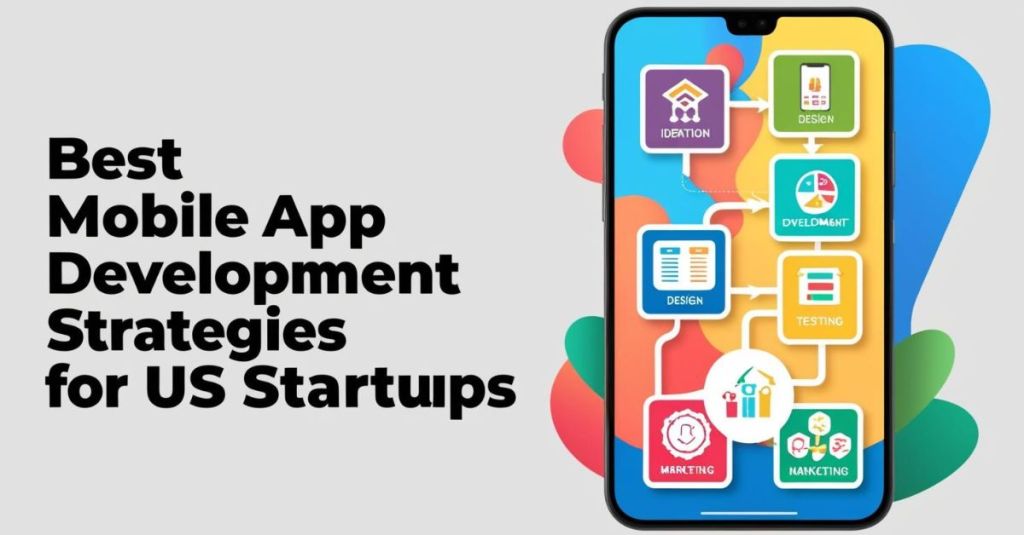
The mobile app industry in the United States is experiencing significant growth. In 2023, the U.S. mobile application market was valued at approximately USD 53.71 billion and is projected to grow at a compound annual growth rate (CAGR) of 14.0% from 2024 to 2030. This expansion is driven by the increasing reliance on smartphone applications for daily tasks and the widespread adoption of digital technologies by businesses across various sectors.
For startups entering this dynamic landscape, a robust mobile app development strategy is essential. The competitive nature of the U.S. market demands that new entrants offer innovative solutions to stand out. A well-crafted development plan not only ensures the creation of a functional and user-friendly app but also addresses critical aspects such as market research, user engagement, and scalability. By prioritizing a strong development strategy, startups can enhance their chances of success, effectively meet user expectations, and secure a foothold in the burgeoning mobile app market.
Market Research & Idea Validation
A successful mobile app starts with thorough market research. Startups must first identify their target audience and assess demand. Understanding user behavior, preferences, and pain points helps in creating an app that solves real problems.
Competitor analysis is equally crucial. Analyzing similar apps reveals gaps in the market, unique selling points, and potential challenges. By studying competitor features, pricing models, and customer reviews, startups can refine their approach.
Validating the app idea through a Minimum Viable Product (MVP) is a smart strategy. An MVP allows startups to test core functionalities with minimal investment. Gathering real user feedback helps improve features before a full-scale launch. This iterative approach minimizes risks and enhances the app’s chances of success.
Choosing the Right Development Approach
Selecting the right development approach is critical for long-term success. Startups can choose between Native, Hybrid, or Cross-Platform Development based on their goals, budget, and timeline.
- Native Apps (iOS and Android) offer the best performance and security but require separate development for each platform.
- Hybrid Apps use web technologies, making them cost-effective but sometimes less optimized for performance.
- Cross-Platform Apps balance performance and cost, using frameworks like Flutter or React Native.
Choosing the right tech stack is equally important. Factors such as scalability, security, and future upgrades should guide the selection process. Using cloud infrastructure, AI integrations, and APIs enhances efficiency and adaptability, ensuring the app remains competitive.
UI/UX Design for User Retention
A well-designed app keeps users engaged. Intuitive UI/UX design ensures smooth navigation, clear layouts, and a seamless experience. Cluttered interfaces drive users away, while a visually appealing design improves retention.
Design thinking plays a vital role in app development. Understanding user pain points and addressing them through smart design decisions enhances usability. Conducting usability testing helps identify issues early, ensuring the app is optimized for real-world use.
Simple and responsive design, fast load times, and accessibility features further improve user satisfaction. A startup’s success depends not just on acquiring users but keeping them engaged through an excellent design experience.
Agile Development & Iterative Improvements
Startups benefit greatly from Agile development methodologies. This approach emphasizes flexibility, continuous improvements, and user-centric development.
Agile development follows short sprints, allowing teams to test, refine, and adjust features quickly. Instead of waiting for a final product launch, startups can release updates incrementally. This reduces the risk of failure and ensures features align with user expectations.
Continuous testing and iteration further strengthen the development process. Regular feedback from real users helps identify potential issues early. This data-driven approach improves performance, enhances functionality, and leads to higher user satisfaction.
Ensuring Security & Compliance
Security is a top priority in mobile app development. Startups must follow strict data privacy laws such as GDPR, CCPA, and HIPAA, depending on their target market and industry. Failing to meet compliance requirements can lead to legal consequences and damage brand reputation.
Implementing secure coding practices helps protect user data. Encryption, two-factor authentication, and data anonymization enhance security. Regular security audits identify vulnerabilities before they become threats.
By prioritizing security from the start, startups can build user trust and ensure their app meets all legal and ethical requirements.
App Monetization Strategies
A strong monetization strategy ensures long-term success. Startups must choose the right revenue model based on their app’s functionality and user base. Popular options include:
- Freemium Model – Free basic features with paid premium upgrades.
- Subscription-Based – Monthly or yearly payment plans for exclusive content.
- In-App Ads – Revenue from third-party advertisements.
- In-App Purchases – Selling digital goods or services within the app.
Implementing in-app purchases effectively requires a balance. Users should see value in paid features without feeling forced to spend money. A seamless and ethical monetization strategy boosts revenue while maintaining a positive user experience.
Mobile App Marketing & User Acquisition
An app’s success depends on effective marketing and user acquisition strategies. A startup must create buzz before launch through pre-release promotions, teaser campaigns, and early access programs.
App Store Optimization (ASO) is crucial for organic visibility. Optimizing app titles, descriptions, keywords, and visuals helps increase downloads. Digital marketing strategies, such as social media ads, influencer partnerships, and content marketing, further drive user engagement.
Post-launch, retargeting campaigns and user engagement tactics help retain existing users. A well-planned marketing approach ensures sustainable growth and higher app adoption rates.
Post-Launch Maintenance & Scaling
Launching an app is just the beginning. Regular updates and performance optimizations ensure continued user satisfaction. Fixing bugs, enhancing security, and adding new features based on user feedback keeps the app relevant.
Scaling requires a strong cloud infrastructure to handle growing traffic. AI-driven insights help personalize user experiences, improving engagement and retention.
A startup must plan for long-term scalability from the start. By continuously monitoring performance and responding to user needs, an app can sustain growth and remain competitive in the market.
Conclusion
Building a successful mobile app requires more than just a great idea. Startups must follow a well-structured strategy that includes market research, choosing the right development approach, and prioritizing UI/UX design. Agile development ensures continuous improvements, while strong security and compliance protect user data. Monetization strategies and effective marketing play a crucial role in sustaining long-term growth.
Post-launch maintenance is equally important. Regular updates, cloud scalability, and AI-driven insights help keep the app competitive. A well-executed mobile app development strategy increases the chances of success in the highly competitive U.S. market.
For startups looking to turn their vision into reality, partnering with the right experts makes a difference. Choosing an experienced mobile app development company in USA ensures that the app is built with the latest technologies, best practices, and user-centric design.
Investing in a solid mobile app development strategy sets the foundation for growth, innovation, and long-term success. Startups that plan wisely and adapt to user needs can thrive in the fast-evolving digital landscape.
 Mobi Info