Blog

  • Cloud Apps Defined: Types, Advantages & Best Practices

    Cloud Apps Defined: Types, Advantages & Best Practices

    Cloud applications are software solutions that run on remote servers instead of on local computers. This means users access them via the internet, making them flexible and easy to use across various devices. Examples include email services, file storage systems, and collaborative tools. They are hosted in the cloud, meaning their data and processing power are stored on servers owned and managed by cloud providers like Amazon, Microsoft, or Google.

    With cloud apps, you don’t need to worry about installing software or maintaining hardware. All updates and maintenance are handled by the service provider. This simplifies the user experience, making cloud apps a go-to for both businesses and consumers.

    Traditional software needs to be installed on a specific device, and updates are managed by the user or IT team. It’s often tied to one computer or network. Cloud applications, on the other hand, are accessed through a web browser or an app, and they work on multiple devices at once.

    Another key difference is scalability. Cloud apps can scale up or down depending on demand. This makes them more adaptable than traditional software, which might require new hardware or installations to handle increased use. Cloud applications are also generally more cost-effective. Since they don’t require physical infrastructure and can be subscribed to on-demand, businesses only pay for what they use.

    In short, cloud applications offer more flexibility, lower maintenance, and greater accessibility than traditional software, making them ideal for the modern digital world.

    History and Evolution of Cloud Apps

    Cloud applications have come a long way since their inception. The growth of cloud computing has reshaped how software is delivered and accessed, offering more flexibility and cost-efficiency to users and businesses alike. Let’s explore how cloud apps evolved over time.

    Early Developments and Technological Advancements

    The idea of cloud computing dates back to the 1960s when computer scientists first began exploring shared computing resources. However, it wasn’t until the 1990s that the concept started to take off. With the advent of the internet, companies like Salesforce pioneered Software-as-a-Service (SaaS) in the early 2000s, offering software that could be accessed via web browsers. This allowed users to bypass the need for physical installations and run applications from anywhere, leading to the modern cloud-based services we rely on today.

    Key Milestones in Cloud Computing

    In 2006, Amazon Web Services (AWS) introduced its cloud platform, allowing businesses to host applications on the cloud and scale resources as needed. This marked a major milestone in cloud computing. The following years saw the emergence of other key players like Google Cloud and Microsoft Azure, each expanding the possibilities for cloud-based applications. In 2010, cloud apps became more mainstream, with significant improvements in security, infrastructure, and speed. Today, cloud apps are an integral part of business operations, offering everything from collaboration tools to enterprise-level solutions.

    Types of Cloud Applications

    Cloud applications come in various types, each serving different needs and purposes. Let’s explore the three primary types of cloud apps: SaaS, PaaS, and IaaS. Each type plays a crucial role in how businesses and individuals utilize cloud technology.

    Software as a Service (SaaS): Web-Based Applications like Email and CRM Systems

    SaaS delivers software applications over the internet on a subscription basis. These apps are hosted on the cloud, so users can access them from any device with internet connectivity. Examples include email services like Gmail and collaboration tools like Salesforce. SaaS eliminates the need for installation and maintenance, offering seamless updates and scalability, making it highly convenient for both businesses and consumers.

    Platform as a Service (PaaS): Development Platforms for Building and Deploying Applications

    PaaS provides a platform for developers to build, test, and deploy applications without worrying about underlying infrastructure. It offers tools for development, such as databases and middleware, making it easier to create custom applications. Examples include Google App Engine and Microsoft Azure. PaaS accelerates the development process by offering pre-configured tools and environments, enabling businesses to focus on creating functional apps instead of managing servers.

    Infrastructure as a Service (IaaS): Virtualized Computing Resources Over the Internet

    IaaS offers virtualized computing resources, including servers, storage, and networking, over the internet. With IaaS, businesses can rent these resources instead of investing in physical hardware. Popular IaaS providers include AWS, Google Cloud, and Microsoft Azure. This type of cloud app is ideal for companies that require scalable and flexible computing power without the burden of managing physical infrastructure. It allows businesses to pay for resources on-demand, improving cost efficiency.

    Advantages of Cloud Applications

    Cloud applications offer numerous benefits that enhance both operational efficiency and user experience. Let’s explore the key advantages that make cloud apps an essential tool for modern businesses.

    Scalability: Adjusting Resources Based on Demand

    One of the main advantages of cloud apps is scalability. Cloud platforms allow businesses to scale their resources up or down according to demand. Whether it’s adding more storage space or processing power during peak times, cloud applications provide the flexibility to adjust as needed. This ensures that companies only pay for what they use, making it an ideal solution for growing businesses with fluctuating needs.

    Cost-Effectiveness: Reducing Infrastructure and Maintenance Expenses

    Cloud apps are cost-effective because they eliminate the need for businesses to invest in expensive hardware and infrastructure. Instead of maintaining servers and software, businesses subscribe to cloud services on a pay-as-you-go model. This significantly reduces upfront costs and maintenance expenses, allowing companies to allocate their budgets elsewhere. For small businesses and startups, this is particularly valuable as it lowers the barrier to accessing advanced technology.

    Accessibility: Accessing Applications from Any Location with Internet Connectivity

    Cloud apps are accessible from virtually anywhere with an internet connection. This means employees can work remotely or collaborate across different locations without being tied to a specific device or office network. Whether it’s a laptop, tablet, or smartphone, cloud applications offer the flexibility to access critical tools and data on-the-go, improving productivity and collaboration among teams.

    Automatic Updates: Ensuring Up-to-Date Features and Security Patches

    Cloud apps automatically update without the need for manual intervention. This ensures that businesses are always using the latest features and security patches. By automating updates, cloud providers remove the risk of outdated software and vulnerabilities, which can expose businesses to potential threats. This reliability ensures a smoother user experience and reduces the burden on IT teams, who would otherwise have to manage these updates manually.

    Best Practices for Implementing Cloud Applications

    To fully leverage cloud applications, businesses must follow best practices that ensure security, compliance, performance, and effective user engagement. These practices help maximize the benefits of cloud computing while minimizing potential risks.

    Data Security: Implementing Robust Security Measures to Protect Sensitive Information

    Data security is paramount when using cloud applications. Businesses must implement strong encryption methods, multi-factor authentication, and regular security audits to protect sensitive information. Cloud providers typically offer built-in security features, but it’s crucial for companies to customize their security settings based on their needs. By prioritizing data protection, businesses can prevent unauthorized access and safeguard their customers’ data.

    Compliance: Adhering to Relevant Regulations and Standards

    When implementing cloud applications, businesses must adhere to relevant regulations and industry standards, such as GDPR or HIPAA. Compliance ensures that companies handle data responsibly and avoid legal risks. Cloud service providers typically offer compliance tools, but it is the responsibility of the business to ensure their specific needs are met. Staying compliant also builds trust with customers, showing that a business takes data privacy seriously.

    Performance Monitoring: Regularly Assessing Application Performance and Reliability

    To maintain optimal performance, it’s essential to regularly monitor the performance of cloud applications. This includes tracking uptime, speed, and resource usage to ensure the application runs efficiently. Performance monitoring tools provided by cloud platforms can help businesses identify potential issues before they impact users. Regular assessments allow businesses to stay proactive, ensuring that the cloud apps meet their operational requirements and provide a smooth user experience.

    User Training: Educating Users on Effective and Secure Application Usage

    Training users on how to effectively use cloud applications is key to ensuring both productivity and security. Educating employees about the application’s features, best practices, and security protocols can reduce errors and improve overall performance. Regular training sessions, along with easy-to-understand documentation, empower users to make the most of cloud apps while following the necessary security guidelines. This proactive approach minimizes the risk of human error and enhances overall efficiency.

    Final Words

    Cloud applications have revolutionized the way businesses operate by offering flexibility, cost-efficiency, and ease of access. They provide scalable solutions that grow with your needs, reducing overhead and improving overall productivity. However, adopting cloud apps requires careful planning, from ensuring data security to training users effectively.

    As businesses continue to embrace the cloud, it’s important to stay informed about best practices and trends. This ensures that cloud applications remain an asset rather than a risk. If you’re looking to implement cloud applications or develop new ones, working with a top app development company can help you achieve success.

    By following the right steps, businesses can harness the full potential of cloud applications, driving innovation and growth in a connected world.
  • How AI is Transforming Website Development in 2025

    Artificial Intelligence (AI) is revolutionizing website development in 2025. Businesses are leveraging AI-driven tools to automate coding, enhance user experience, and optimize website performance. From AI-powered design assistants to intelligent chatbots, AI is reshaping how websites are built, maintained, and personalized.

    AI adoption in website development is no longer optional it is essential. A Statista report highlights that over 60% of developers use AI for code generation, bug detection, and software testing. This shift is accelerating development processes, reducing manual effort, and improving efficiency.

    In 2025, websites must be fast, responsive, and user-centric. AI ensures seamless automation, smart content recommendations, and personalized experiences. Businesses that integrate AI gain a competitive edge by delivering high-performing websites with minimal human intervention.

    As AI continues evolving, its role in website development will only expand. From reducing development time to enhancing cybersecurity, AI is paving the way for a smarter digital future. Embracing AI-driven development is the key to staying ahead in an increasingly tech-driven world.

    AI-Powered Automation in Development

    AI-driven automation is transforming website development by streamlining coding and debugging. Tools like GitHub Copilot and TabNine assist developers by suggesting code snippets, auto-completing functions, and reducing manual coding time. These AI-powered assistants learn from vast codebases and generate efficient, error-free code.

    AI also enhances debugging and bug detection. Automated tools scan code for vulnerabilities and inefficiencies, ensuring a smoother development process. AI-driven debugging tools can detect and fix issues before they impact website functionality. This automation reduces human intervention, speeds up the development cycle, and enhances code reliability.

    By integrating AI-powered automation, developers can focus on innovation rather than repetitive coding tasks. AI-driven solutions make website development more efficient, cost-effective, and scalable.

    AI-Driven Website Design

    AI is reshaping web design by optimizing user interfaces and user experiences. AI-powered tools like Wix ADI and Colormind analyze user preferences to create visually appealing designs. These tools suggest smart UI/UX improvements, helping businesses build engaging websites with minimal effort.

    AI-driven design platforms automate layout structuring and color palette selection. They analyze design trends, user behavior, and accessibility standards to generate aesthetic and functional designs. This ensures websites are visually consistent, user-friendly, and conversion-optimized.

    With AI in web design, businesses can create personalized digital experiences. AI-powered solutions enhance creativity, simplify workflows, and ensure designs align with user expectations.

    Enhanced Website Performance with AI

    Website performance is crucial for user experience and SEO rankings. AI tools optimize website speed by automating caching, content delivery, and image compression. AI-driven platforms analyze real-time user behavior to adjust loading priorities, ensuring faster page load times.

    AI-based content delivery networks (CDNs) dynamically route website data through the most efficient servers. This reduces latency and improves website accessibility worldwide. Additionally, AI optimizes code structure, detects performance bottlenecks, and enhances backend processes.

    By leveraging AI for performance optimization, businesses can deliver fast, responsive websites. Improved speed leads to better user engagement, lower bounce rates, and higher conversion rates.

    AI in Testing and Quality Assurance

    AI-powered testing is revolutionizing website quality assurance. Platforms like Testim and Applitools automate testing by identifying bugs, predicting potential failures, and ensuring code consistency. These tools use machine learning to detect UI inconsistencies, broken elements, and performance issues.

    AI also enables predictive error detection. By analyzing historical data, AI-driven QA tools forecast potential issues before they occur. This proactive approach minimizes downtime and enhances website stability.

    Automated testing reduces manual effort, accelerates release cycles, and ensures flawless user experiences. AI-driven QA solutions help businesses maintain high-performance websites with minimal human intervention.

    Personalized User Experience

    AI is transforming website interactions through personalization. AI chatbots and virtual assistants provide instant customer support, answering queries in real-time. These AI-driven systems analyze user intent, improving engagement and satisfaction.

    Dynamic content recommendation engines personalize user experiences based on browsing behavior. AI-powered platforms suggest products, articles, or services that match user preferences. This enhances user retention, increases conversions, and drives revenue growth.

    By leveraging AI for personalization, businesses can create tailored experiences that keep users engaged. AI-driven user experience solutions make websites more interactive, customer-centric, and conversion-focused.

    Future Trends in AI and Website Development

    AI’s role in website development will continue to expand. One key trend is AI-driven security. AI algorithms detect cyber threats, prevent unauthorized access, and mitigate security risks in real-time. This enhances website protection against malware and data breaches.

    Another emerging trend is AI’s role in predictive analytics and SEO. AI tools analyze search engine algorithms, optimize content strategies, and forecast ranking trends. AI-driven SEO ensures websites remain competitive in search results.

    As AI technology advances, website development will become more automated, secure, and intelligent. Businesses that embrace AI-driven innovations will gain a strong competitive edge in the digital landscape.

    Conclusion

    AI is redefining website development by automating processes, enhancing user experience, and improving performance. From AI-powered automation in coding to smart design recommendations, AI enables businesses to build high-quality websites faster and more efficiently. It also enhances website security, predictive analytics, and SEO, ensuring long-term success in a competitive digital landscape.

    Adopting AI is no longer a luxury it is a necessity. AI-driven solutions allow businesses to stay ahead by optimizing workflows, reducing costs, and delivering personalized user experiences. Companies that integrate AI in their development processes can improve website speed, security, and engagement, leading to higher conversion rates and customer retention.

    To stay competitive, businesses must embrace AI-powered development tools and strategies. Partnering with web development companies that specialize in AI-driven solutions can help streamline implementation and maximize AI’s benefits.

    As AI continues to evolve, its impact on website development will only grow stronger. Businesses that invest in AI today will future-proof their digital presence, improve efficiency, and create seamless online experiences. Now is the time to leverage AI and transform the way websites are built and optimized.

  • Best Mobile App Development Strategies for Startups in the USA

    The mobile app industry in the United States is experiencing significant growth. In 2023, the U.S. mobile application market was valued at approximately USD 53.71 billion and is projected to grow at a compound annual growth rate (CAGR) of 14.0% from 2024 to 2030.  This expansion is driven by the increasing reliance on smartphone applications for daily tasks and the widespread adoption of digital technologies by businesses across various sectors.

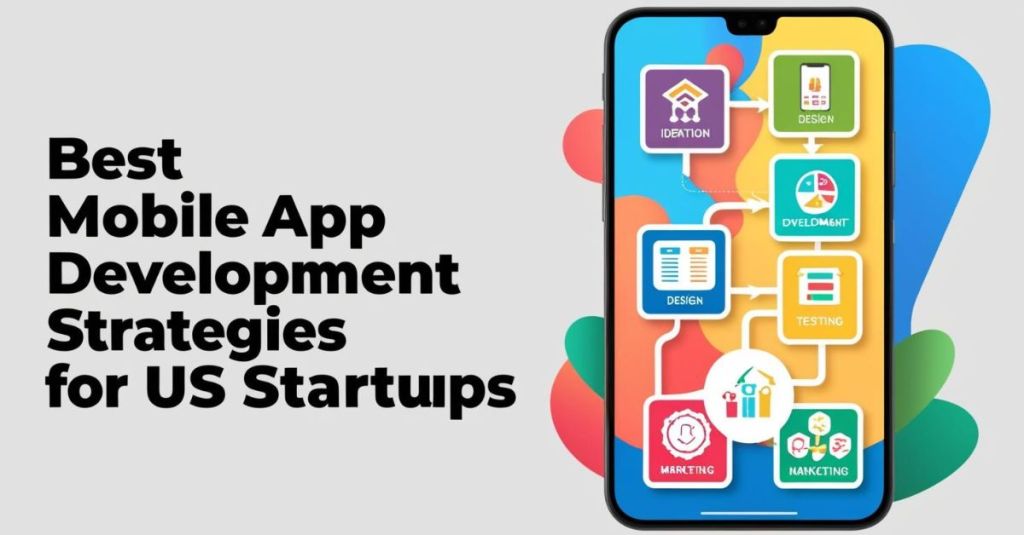
    For startups entering this dynamic landscape, a robust mobile app development strategy is essential. The competitive nature of the U.S. market demands that new entrants offer innovative solutions to stand out. A well-crafted development plan not only ensures the creation of a functional and user-friendly app but also addresses critical aspects such as market research, user engagement, and scalability. By prioritizing a strong development strategy, startups can enhance their chances of success, effectively meet user expectations, and secure a foothold in the burgeoning mobile app market.

    Market Research & Idea Validation

    A successful mobile app starts with thorough market research. Startups must first identify their target audience and assess demand. Understanding user behavior, preferences, and pain points helps in creating an app that solves real problems.

    Competitor analysis is equally crucial. Analyzing similar apps reveals gaps in the market, unique selling points, and potential challenges. By studying competitor features, pricing models, and customer reviews, startups can refine their approach.

    Validating the app idea through a Minimum Viable Product (MVP) is a smart strategy. An MVP allows startups to test core functionalities with minimal investment. Gathering real user feedback helps improve features before a full-scale launch. This iterative approach minimizes risks and enhances the app’s chances of success.

    Choosing the Right Development Approach

    Selecting the right development approach is critical for long-term success. Startups can choose between Native, Hybrid, or Cross-Platform Development based on their goals, budget, and timeline.

    • Native Apps (iOS and Android) offer the best performance and security but require separate development for each platform.
    • Hybrid Apps use web technologies, making them cost-effective but sometimes less optimized for performance.
    • Cross-Platform Apps balance performance and cost, using frameworks like Flutter or React Native.

    Choosing the right tech stack is equally important. Factors such as scalability, security, and future upgrades should guide the selection process. Using cloud infrastructure, AI integrations, and APIs enhances efficiency and adaptability, ensuring the app remains competitive.

    UI/UX Design for User Retention

    A well-designed app keeps users engaged. Intuitive UI/UX design ensures smooth navigation, clear layouts, and a seamless experience. Cluttered interfaces drive users away, while a visually appealing design improves retention.

    Design thinking plays a vital role in app development. Understanding user pain points and addressing them through smart design decisions enhances usability. Conducting usability testing helps identify issues early, ensuring the app is optimized for real-world use.

    Simple and responsive design, fast load times, and accessibility features further improve user satisfaction. A startup’s success depends not just on acquiring users but keeping them engaged through an excellent design experience.

    Agile Development & Iterative Improvements

    Startups benefit greatly from Agile development methodologies. This approach emphasizes flexibility, continuous improvements, and user-centric development.

    Agile development follows short sprints, allowing teams to test, refine, and adjust features quickly. Instead of waiting for a final product launch, startups can release updates incrementally. This reduces the risk of failure and ensures features align with user expectations.

    Continuous testing and iteration further strengthen the development process. Regular feedback from real users helps identify potential issues early. This data-driven approach improves performance, enhances functionality, and leads to higher user satisfaction.

    Ensuring Security & Compliance

    Security is a top priority in mobile app development. Startups must follow strict data privacy laws such as GDPR, CCPA, and HIPAA, depending on their target market and industry. Failing to meet compliance requirements can lead to legal consequences and damage brand reputation.

    Implementing secure coding practices helps protect user data. Encryption, two-factor authentication, and data anonymization enhance security. Regular security audits identify vulnerabilities before they become threats.

    By prioritizing security from the start, startups can build user trust and ensure their app meets all legal and ethical requirements.

    App Monetization Strategies

    A strong monetization strategy ensures long-term success. Startups must choose the right revenue model based on their app’s functionality and user base. Popular options include:

    • Freemium Model – Free basic features with paid premium upgrades.
    • Subscription-Based – Monthly or yearly payment plans for exclusive content.
    • In-App Ads – Revenue from third-party advertisements.
    • In-App Purchases – Selling digital goods or services within the app.

    Implementing in-app purchases effectively requires a balance. Users should see value in paid features without feeling forced to spend money. A seamless and ethical monetization strategy boosts revenue while maintaining a positive user experience.

    Mobile App Marketing & User Acquisition

    An app’s success depends on effective marketing and user acquisition strategies. A startup must create buzz before launch through pre-release promotions, teaser campaigns, and early access programs.

    App Store Optimization (ASO) is crucial for organic visibility. Optimizing app titles, descriptions, keywords, and visuals helps increase downloads. Digital marketing strategies, such as social media ads, influencer partnerships, and content marketing, further drive user engagement.

    Post-launch, retargeting campaigns and user engagement tactics help retain existing users. A well-planned marketing approach ensures sustainable growth and higher app adoption rates.

    Post-Launch Maintenance & Scaling

    Launching an app is just the beginning. Regular updates and performance optimizations ensure continued user satisfaction. Fixing bugs, enhancing security, and adding new features based on user feedback keeps the app relevant.

    Scaling requires a strong cloud infrastructure to handle growing traffic. AI-driven insights help personalize user experiences, improving engagement and retention.

    A startup must plan for long-term scalability from the start. By continuously monitoring performance and responding to user needs, an app can sustain growth and remain competitive in the market.

    Conclusion

    Building a successful mobile app requires more than just a great idea. Startups must follow a well-structured strategy that includes market research, choosing the right development approach, and prioritizing UI/UX design. Agile development ensures continuous improvements, while strong security and compliance protect user data. Monetization strategies and effective marketing play a crucial role in sustaining long-term growth.

    Post-launch maintenance is equally important. Regular updates, cloud scalability, and AI-driven insights help keep the app competitive. A well-executed mobile app development strategy increases the chances of success in the highly competitive U.S. market.

    For startups looking to turn their vision into reality, partnering with the right experts makes a difference. Choosing an experienced mobile app development company in USA ensures that the app is built with the latest technologies, best practices, and user-centric design.

    Investing in a solid mobile app development strategy sets the foundation for growth, innovation, and long-term success. Startups that plan wisely and adapt to user needs can thrive in the fast-evolving digital landscape.

Design a site like this with WordPress.com
Get started